Introduction
Training a language model is only part of building a usable model.
A checkpoint sitting on a training machine is difficult for anyone else to use. For Gouda to become an actual open model project, the models needed to be packaged, documented and distributed in a standard way.
This led to Gouda's integration with the Hugging Face ecosystem.
From checkpoint to model
During development, Gouda models were initially stored as PyTorch checkpoints.
This was useful during training because it kept the process simple. A checkpoint could contain the complete model and be loaded directly into the project's own code.
However, distribution introduces additional requirements.
A public model needs to communicate:
- what architecture it uses;
- what configuration it requires;
- which tokenizer it expects;
- how generation should be performed;
- and how another user can reproduce inference.
The Hugging Face ecosystem provides a standard interface for many of these requirements.
Custom model architecture
Gouda does not simply use an off-the-shelf architecture.
The project's model implementation has to represent the exact architecture used during training. This became particularly important as the project moved between older GPT-style checkpoints and the newer Gruyère models.
Compatibility therefore became a real engineering problem.
A checkpoint trained with one architecture cannot simply be loaded into an implementation with a different set of layers, dimensions or parameter names.
This led to more deliberate separation between:
- model configuration;
- model implementation;
- checkpoint weights;
- tokenizer;
- generation code.
Why distribution matters
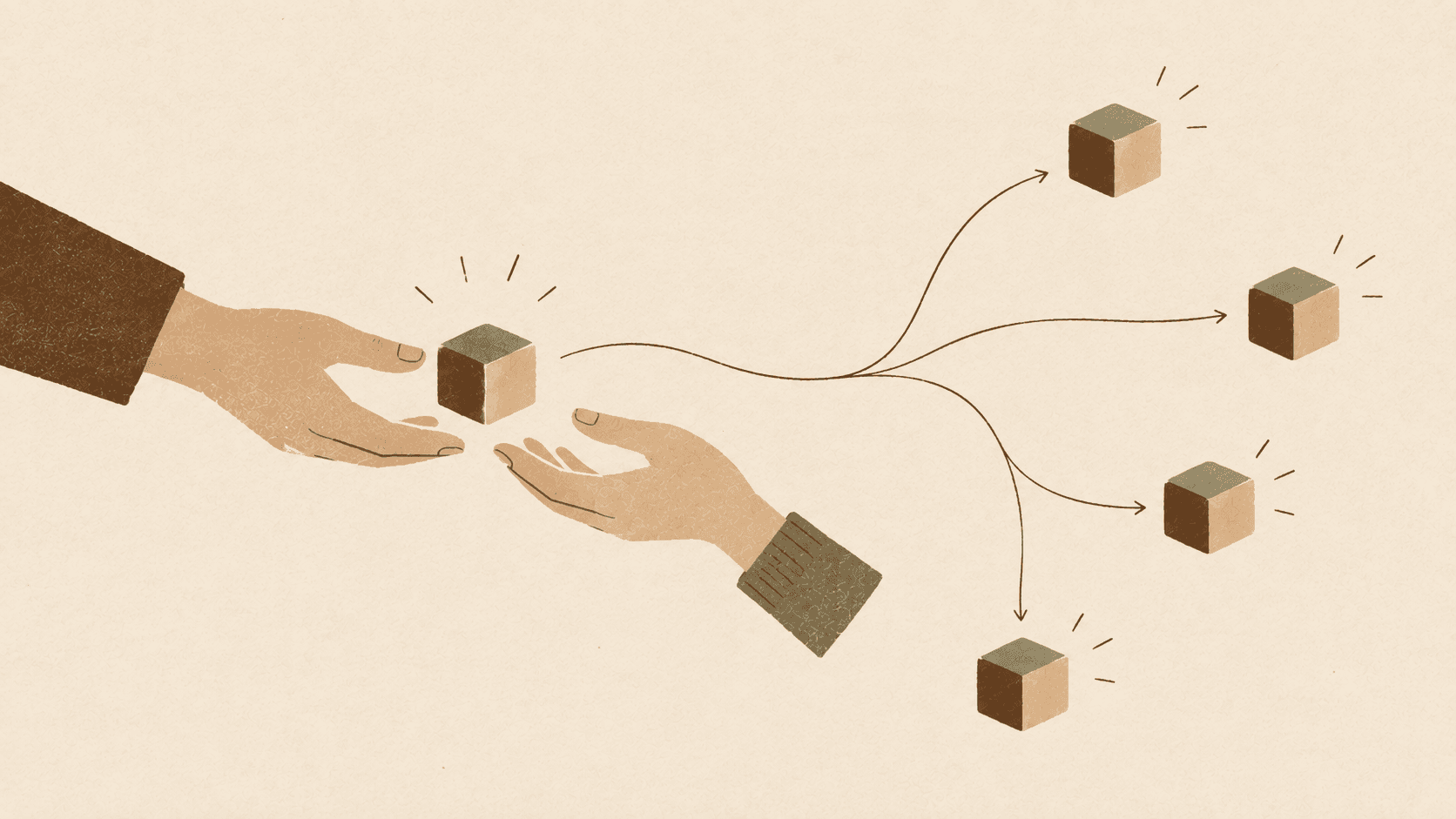
Publishing a model changes what the project is.
Before distribution, Gouda is primarily a personal experiment.
After distribution, another person can download the model, inspect it, run inference and evaluate it independently.
That makes reproducibility much more important.
It also makes documentation important. A model card is not just promotional material. It records what the model is, what data it was trained on, how it was evaluated and where its limitations lie.
The wider Gouda ecosystem
Hugging Face became one part of a larger system surrounding the models.
The current Gouda project consists of several interconnected components:
Training ↓ Checkpoint ↓ Model packaging ↓ Hugging Face ↓ Inference ↓ Gouda API ↓ Gouda website
The purpose of this infrastructure is ultimately simple: make the models easier to inspect and use.
Conclusion
The move to Hugging Face marked an important transition for Gouda.
The project was no longer only about experimenting with transformer training. It was becoming an end-to-end open model project, where training, evaluation, packaging, inference and documentation all formed part of the same system.